Security and Firearms Training Academy presents a homegrown approach to public safety that connects Roseville’s business community, families, and aspiring professionals to practical, real-world training. In a candid Placer Review interview, Davis Spaid traces the path from Loomis roots and law enforcement service to a mission-driven academy that “doesn’t train security guards we train security professionals.” Through rigorous instruction, community partnerships, and post-class mentorship, SAFTA emphasizes confidence, communication, and integrity while keeping costs accessible and expectations unmistakably high.
About SAFTA Security in Roseville
SAFTA began as a “brainchild” among brothers who saw a gap in the quality of industry training. Early on, they recruited a Marine Corps gunnery sergeant “Gunny” to elevate standards and set expectations from day one. The academy’s posture is clear at the opening briefing: if someone arrives hoping to be “given the answers,” they’re in the wrong room. Note-taking, testing, retesting if needed, and genuine effort are expected. The outcome is a pipeline that welcomes veterans transitioning from military service, those unable to move into law enforcement, and community-minded people with strong customer service skills who want to serve.
Roseville anchors SAFTA’s training ecosystem through a safe, controlled qualification environment at Placer Sporting Club founded in Roseville by members of the same local circle where students complete live-fire components away from the distractions of public walk-in ranges. This pairing of controlled settings and elevated expectations reflects SAFTA’s central theme: train to professional standards, not to minimums.
How Davis Spaid Built a Legacy of Leadership
Davis Spaid’s story mirrors the values SAFTA teaches. Raised in Loomis and a Del Oro High School alumnus, he followed a family tradition of service into law enforcement. He trained under “Gunny,” then deliberately left the academy he’d helped shape to gain firsthand patrol experience later bringing those lessons back to the classroom. The bridge between classroom and street is pivotal for him: students can sense when an instructor has lived what they’re teaching.
Communication sits at the center of Spaid’s philosophy. From Fortune 500 leaders to people living on the street, he stresses the same baseline of respect. “You’re less likely to get punched in the face if you treat everyone how you want to be treated.” That tone, he says, can change someone’s outlook toward uniformed professionals whether that person ends a conversation with a handshake or a booking slip.
Community Impact in Roseville
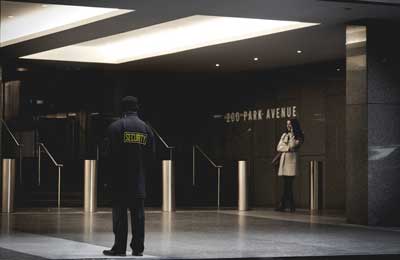 SAFTA’s impact in Roseville is woven through relationships and youth-centered outreach. The academy supports the Police Activities League events in nearby Rocklin, bringing youth and law enforcement together to build trust. SAFTA also backs local events including security support and sponsorships and participates in initiatives like Flights for Freedom, which coordinates private pilots many with law enforcement or military backgrounds to fly sex trafficking survivors home, sparing them the stress of commercial travel.
For families navigating crowded public places, SAFTA conducts situational awareness sessions often for local churches, schools, and youth groups frequently at no cost. These outings can be as simple and powerful as walking through the Roseville Galleria and discussing what to notice. As Spaid explains, having biases is “something to notice, not something to judge.” The focus is on reading environments, being aware of context, and making safer choices without stereotyping or mistreating anyone.
Why SAFTA Security Matters to the Community
SAFTA positions itself at the intersection of accessibility and accountability. Integrity means not overcharging for classes and respecting the financial realities of people entering the field. Grants like those available through Golden Sierra in Placer County help cover training and state licensing. SAFTA pairs that support with clear standards: students are expected to pass because they’ve earned it, not because they paid for a seat.
This mix of high expectations and community-minded pricing creates a workforce pipeline that benefits Roseville employers as well as the broader region. SAFTA tracks student outcomes employment and earnings so they can advocate for better compensation across the industry and keep raising the bar on professionalism.
Spotlight Interview Highlights
- Professionalism over minimums: The academy’s 40-hour unarmed program includes the core state-required guard card components, then goes further by adding pepper spray, stun gun/taser, and tear gas certifications.
- Structured training path: Students begin with eight hours to qualify for initial work, must add 16 hours within 30 days, and complete another 16 hours within six months totaling 40 hours for unarmed training.
- Advanced mentorship: SAFTA’s advanced program pairs training with job support and real-world mentorship. Graduates can call anytime for advice.
- Consulting for local businesses: SAFTA advises Roseville-area companies on security best practices often recommending practical measures before adding guards.
- Continuous updates: Laws evolve annually, and SAFTA updates its curriculum to ensure compliance and relevance.
Advice from Davis Spaid to Entrepreneurs
“Treat the work like a career, not a job.” Spaid encourages ownership, repetition, and integrity. Confidence, he says, grows through reps thousands of draws, conversations, and honest practice. By combining skill with integrity and service, success becomes inevitable.